



I'm a musician and guitar educator passionate about helping others get more enjoyment out of playing music. Through this blog, I compare in-ear monitors, headphones, and other music gear to help musicians find products that are actually worth their money. You may already know me from my YouTube channel (520,000+ subscribers) and Instagram (11,000+ followers).

THE BEST IN-EAR MONITORS OF 2026, TESTED AND RANKED BY A MUSICIAN WHO'S HEARD THEM ALL
Published: . Updated: .
- Weeks of hands-on testing
- 200+ hours of listening
- Scored on 5 criteria: sound, comfort, isolation, build, value

You might be thinking: do I really need a pair of dedicated in-ear monitors?
I'll be honest: I'm usually the last person to tell musicians that better gear will magically make them better players. A great performance starts with practice, not purchases. But let's face it, whether you're rehearsing, recording, gigging, or simply enjoying your favorite music, what you hear matters. The right IEMs can reveal details you've been missing, make long sessions more comfortable, and help you perform with more confidence.
The problem is that the IEM market has exploded. Every week there's a new model promising better bass, more detail, wider soundstage, or "audiophile-grade" performance. With so many options available, I wanted to cut through the marketing and find out which IEMs actually deliver.
So I spent weeks testing many of the most talked-about models across different genres, price points, and use cases to find the ones truly worth your attention.
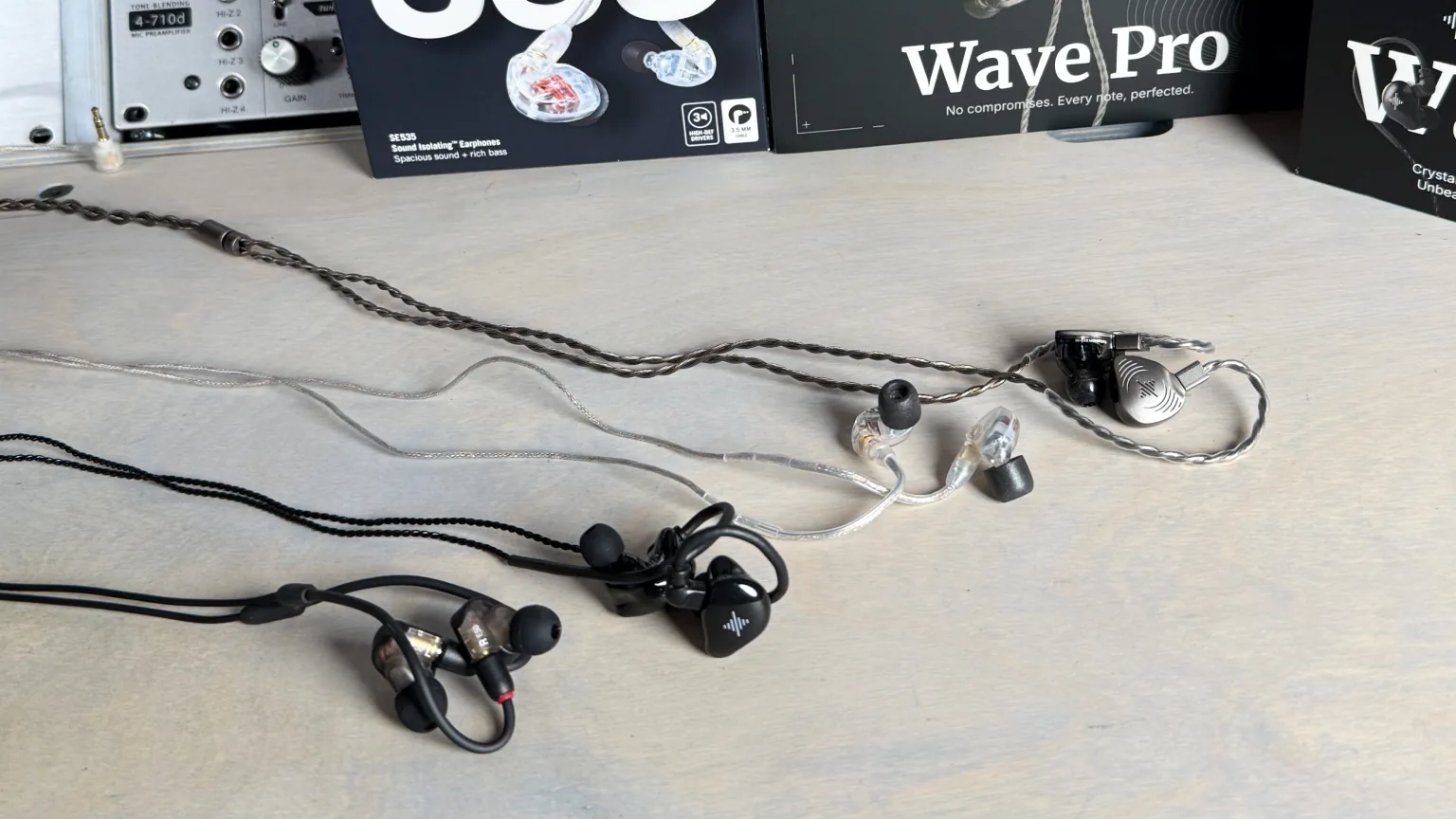
THE IEMS I CHOSE (AND HOW I TESTED THEM):

HOW THE TOP 3 SCORED
These are the scores behind the star ratings above, straight from my testing notes. Every category counts equally, and no category is decided by spec sheets - only by what I heard and felt across weeks of sessions.
There are hundreds of IEMs on the market, each promising better bass, more detail, wider soundstage, or the perfect tuning. Add YouTube reviews, Reddit recommendations, and affiliate rankings, and it's easy to get overwhelmed.
My goal was simple: find the IEMs that are actually worth buying.
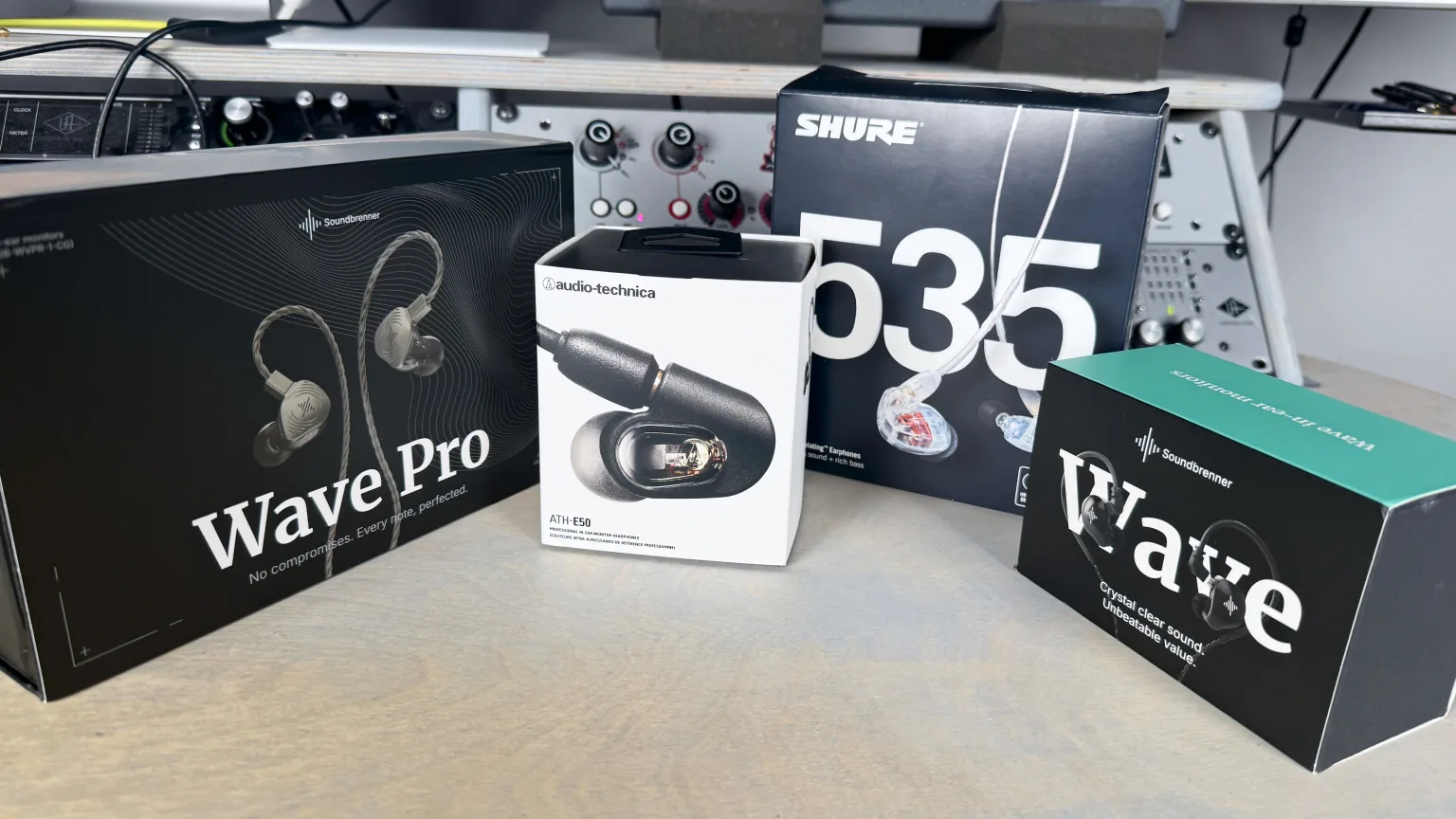
I couldn't test every model, so I focused on 13 of the most popular and highly recommended IEMs you're most likely to come across.
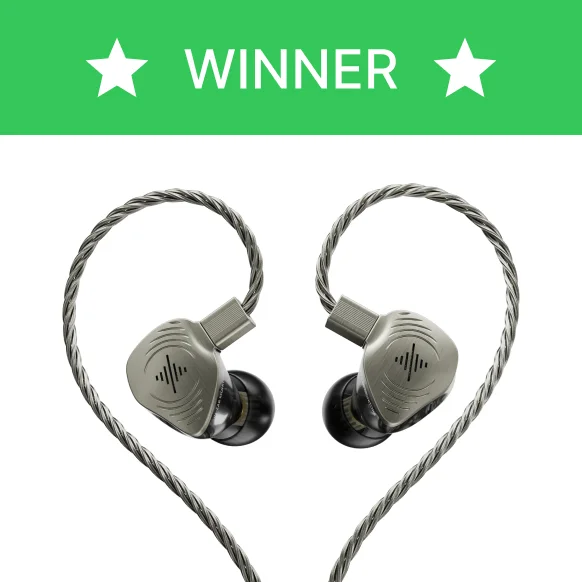
Soundbrenner Wave Pro 2 ($349 or $199 on sale) - The musician-focused winner. Designed for performers, creators, and audiophiles, Wave Pro 2 combines premium sound, excellent isolation, long-term comfort, and exceptional value.
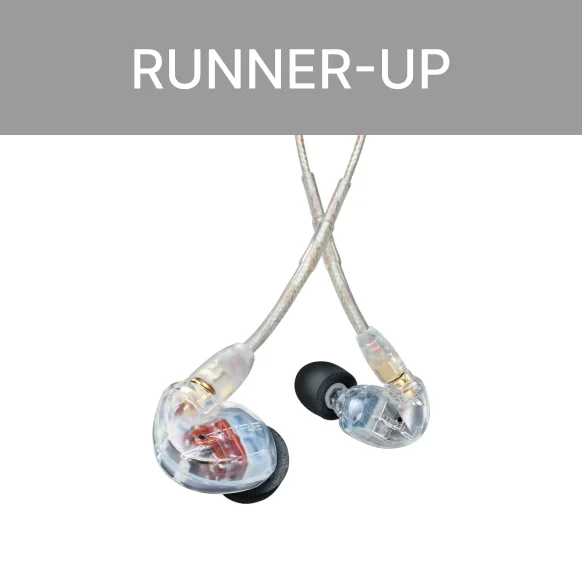
Shure SE535 ($499 or $420 on sale) - The stage veteran. A longtime favorite among professional musicians, known for its reliability, comfort, and vocal-focused tuning.
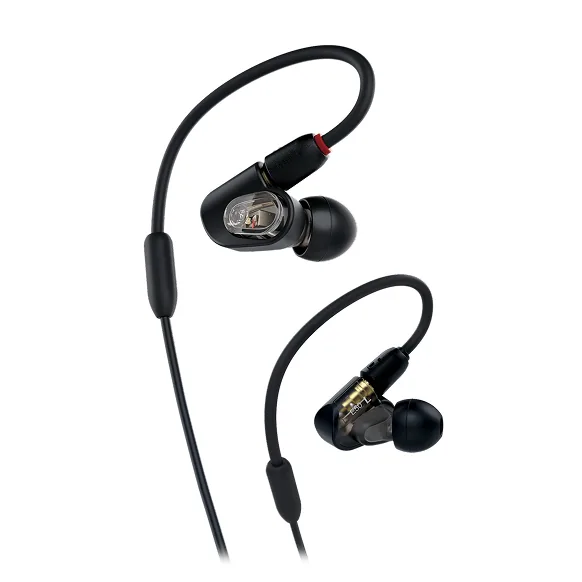
Audio-Technica E50 ($219) - The balanced all-rounder. A natural-sounding single balanced armature IEM with accurate monitoring and a loyal following among musicians.
Soundbrenner Wave ($179 or $99 on sale) - The value champion. Delivers much of Wave Pro 2's ergonomic design and musician-first philosophy at a significantly lower price.
7Hz Timeless II ($229) - The planar benchmark. Renowned for exceptional detail, imaging, and technical performance.
Moondrop Kato ($189) - The dynamic driver favorite. A well-tuned single dynamic driver with a smooth, natural sound across virtually any genre.
Letshuoer S12 Pro ($135) - The planar value pick. Delivers excellent speed, clarity, and resolution at a highly competitive price.
Westone Pro X30 ($440) - The comfort specialist. Exceptionally comfortable with dependable stage-ready tuning.
64 Audio Aspire 3 ($649) - The modern professional. Brings flagship-inspired technology into a more accessible monitor for serious musicians.
Sennheiser IE 200 ($130) - The everyday audiophile. Lightweight, comfortable, and tuned for balanced listening at an approachable price.
Thieaudio Hype 4 MKII ($399) - The technical powerhouse. Delivers an expansive soundstage, deep bass, and impressive technical performance.
Shure SE215 ($109) - The gateway classic. A durable industry standard that introduced countless musicians to in-ear monitors.
Etymotic ER4XR ($310) - The reference monitor. Famous for class-leading isolation and remarkably neutral sound.
Each excels in different areas, whether that's sound quality, comfort, isolation, or stage performance. The question is: which one delivers the best overall experience? Let's find out.
THE GROUND RULES
To keep things fair and practical, I followed a few simple rules:
- No niche specialists - I focused on versatile IEMs that work well for most listeners, rather than products built for very specific tastes or use cases.
- Real-world usability matters - Sound is only part of the experience. Comfort, fit, isolation, build quality, and long-term wear all influenced the rankings.
- Value counts - Price wasn't the deciding factor, but every IEM had to justify what it costs.
- No spec-sheet winners - Driver counts, exotic materials, and marketing buzzwords didn't matter. I ranked these IEMs by how they actually performed.
- Long-term listening over first impressions - Some IEMs impress at first, but become fatiguing over time. I spent extended time with every model before reaching a conclusion.
The goal wasn't to find the most expensive IEM. It was to find the ones that deliver the best overall experience.
THE TESTING PROCESS
Every IEM was tested across multiple listening sessions with music, gaming, videos, and instrument practice.
I evaluated bass, vocals, treble, detail, soundstage, instrument separation, comfort, fit, passive isolation, build quality, cable quality, and included accessories. I also listened at different volume levels and wore each pair for extended sessions to identify any comfort or listening fatigue.
Because fit is personal, I also had several other musicians try every model and noted any consistent feedback about comfort, fit, cable, or sound.
MY NON-NEGOTIABLES IN IEMS
In a market full of marketing claims, these are the qualities I believe every great IEM should deliver:
- Balanced, enjoyable tuning
- Clear vocals and instruments
- Strong detail without harsh treble
- Comfortable fit for long sessions
- Good passive noise isolation
- Secure fit for practice, travel, and stage use
- Durable build quality
- A quality cable
- Good ear tips and accessories
- Strong value for the price
Comfort was the biggest deal-breaker. No matter how good an IEM sounds, you won't use it if it hurts after 30 minutes or won't stay in your ears.
Finally, I compared each model's real-world value, not just its technical specs. Some expensive IEMs disappointed, while a few more affordable models genuinely surprised me.
1. SOUNDBRENNER WAVE PRO 2: THE SURPRISING WINNER OF MY 2026 IEM TEST
What I love:
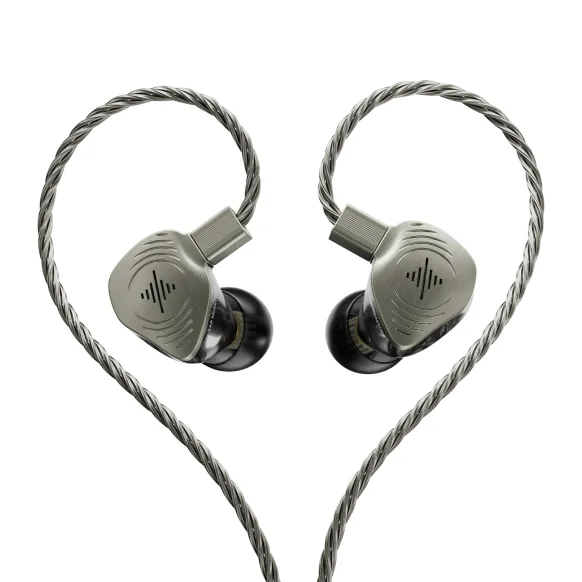
- Dual-dynamic, dual-planar array delivers excellent separation
- Clear, detailed sound even in dense mixes
- Wired monitoring with no Bluetooth latency for practice and stage
- Polycarbonate housing with a zinc faceplate
- Durable 5.0mm anti-tangle braided cable
- 18 ear tip options for dialing in the right seal
- Strong passive isolation for loud environments
- Comfortable for long rehearsals and gigs
- Stage-ready fit that stays secure while playing
- Outstanding value compared to premium IEMs
- Designed specifically for musicians and performers

What could be better:
- More expensive than the standard Wave
- Only available online, so you can't try the fit before buying
- No active noise cancellation - isolation depends on a good tip seal
- Larger housings are heavier than featherweight plastic shells

Just a note! When you purchase products through links in this article, I may earn a small commission, which helps keep this content free and allows me to continue testing more gear for musicians. While Wave Pro 2 earned my top spot overall, every IEM on this list has its own strengths. I recommend reading through the detailed reviews to find the one that best matches your budget, listening preferences, and use case.
WHY WAVE PRO 2 IS MY TOP PICK

I didn't expect this, but Soundbrenner Wave Pro 2 ($199 during the current sale) earned the top spot. I assumed the more established IEM brands would come out ahead. Instead, Wave Pro 2 delivered the best combination of sound quality, comfort, isolation, build quality, and value.
Here's why it stood out:
1. Serious driver setup: The refined dual-dynamic, dual-planar design delivers excellent separation without sounding clinical. Bass has weight, vocals stay clear, and the dual-planar treble reveals airier detail without becoming harsh. Even in busy mixes, individual instruments remain easy to follow.
2. Built for musicians: Wave Pro 2 feels designed for real practice, rehearsals, recording, and live performance. The isolation keeps outside noise under control, and the secure fit stays comfortable through long sessions.
3. Excellent comfort: Fit is everything with IEMs. Wave Pro 2 includes 18 ear tip options, including Soundbrenner's Liquid Pro tips, making it much easier to find a comfortable seal that improves both sound and isolation.
4. Premium build: The polycarbonate housings, zinc faceplates, braided cable, and swappable connector system feel durable and stage-ready. The optional USB-C DAC connector is also a thoughtful addition for modern phones, tablets, and laptops.
WHAT WORKING MUSICIANS SAY
I am clearly not alone on this one. Wave Pro 2 has 600+ verified buyer reviews on Soundbrenner's site, the brand holds a 4.7/5 TrustScore on Trustpilot, and its artist roster includes musicians who play for Halsey, Post Malone, David Byrne, and J Balvin. Two buyer reviews that stuck with me:
"I am 77 years old and still gigging. I'm an acoustic looping artist so I'm pretty busy on stage and I have to say that these IEMs are fantastic! They allow me to really hear in particular my vocals which I focus on heavily."
Bruce T., verified buyer - soundbrenner.com
"On stage: it isolates music parts and different levels of instruments really well. My confidence has gone up in my playing and singing being able to hear myself better in the mix."
Mitch P., verified buyer - soundbrenner.com
WHAT I LOVE

Wave Pro 2 feels like a tool made for musicians, not just another pair of earphones.
The biggest difference is how easy it is to hear what matters. Instruments stay separated, vocals remain clear, and the strong passive isolation lets you hear your mix without constantly turning the volume up.
The build quality also stands out. The polycarbonate housings, zinc faceplates, and braided cable inspire confidence, and at its current sale price, Wave Pro 2 offers exceptional value compared to many established competitors.
WHAT COULD BE BETTER

Wave Pro 2 is more expensive than the standard Wave, so if you are on a tighter budget, the regular Wave remains an excellent value.
It's also only available online, so you can't try the fit before buying. Fortunately, the generous selection of ear tips makes finding a comfortable seal much easier.
And to set expectations: like every passive IEM here, Wave Pro 2 has no active noise cancellation, and its housings weigh more than featherweight plastic shells. Neither bothered me in long sessions, but if you want ANC earbuds or the lightest possible fit, know that going in.
WAVE PRO 2 BREAKDOWN

When testing IEMs, specs only tell part of the story. What matters is how everything works together in real use.
Dual-dynamic, dual-planar array: One dynamic driver covers the full range, a second dynamic driver covers the mids and highs, and two 6 mm planar magnetic drivers handle the highest frequencies. The result is airier treble and slightly better separation in busy mixes.
Zinc faceplate and polycarbonate housing: A durable construction with a professional feel.
Braided cable: Thick, durable, and resistant to tangling.
Swappable connector system: Supports both 3.5 mm and the optional Hi-Fi USB-C connector.
USB-C DAC connector: Delivers up to 24-bit/96 kHz audio without a separate dongle.
18 ear tip options: Silicone, foam, and Liquid Pro tips for a better fit.
Strong passive isolation: Reduces outside noise without active noise cancellation.
Musician-first design: Built for reliable monitoring, long-term comfort, and everyday use.
What impressed me most is that Wave Pro 2 doesn't rely on one standout feature. It succeeds because every part of the package works well together.

2. SHURE SE535 REVIEW: BEST PREMIUM LEGACY CHOICE
What I love:
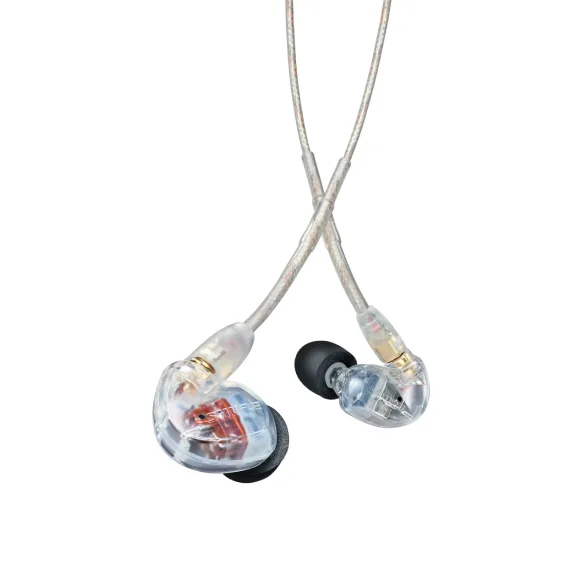
- Triple balanced-armature design keeps vocals present
- Longtime professional stage-monitor reputation
- Strong isolation and a generous accessory kit
What could be better:
- Very expensive for an older design
- Narrower presentation and less bass weight than Wave Pro 2
- MMCX cable feels less modern than newer systems
Shure SE535 is the premium legacy choice in this test. It has been around long enough that a lot of working musicians already know the name, and that history matters. If you want a familiar professional stage monitor from a company with deep live-sound credibility, the SE535 still has a clear identity.
WHAT I LOVE
What I like about the SE535 is how confidently it handles the midrange. Vocals, guitars, keys, and spoken detail sit forward in a way that makes sense for stage monitoring. The triple balanced-armature design is not about huge bass or cinematic width. It is about giving performers a stable, intelligible picture of the part of the mix they usually need most.
The fit and isolation are also still good. Shure includes a useful set of tips, and once you get the seal right, the SE535 does a solid job blocking outside noise without needing batteries or active noise cancellation. For singers, guitarists, church players, and anyone who wants a known quantity, that reliability is a real strength.
It also feels like a safe recommendation for people who specifically want Shure. The brand has earned trust with musicians, and the SE535 still carries some of that professional-stage confidence. If this were only about legacy, familiarity, and vocal clarity, it would be very easy to rank higher.
WHAT COULD BE BETTER
The issue is that the market has moved. At around $420 on sale, SE535 costs more than double Wave Pro 2's sale price, and in my listening it did not sound more capable. Dense mixes feel more compact, bass carries less weight, and the fitting kit gives you fewer ways to dial in a seal. Wave Pro 2 adds a zinc faceplate, a solid polycarbonate housing, and a braided cable that feels genuinely premium, for less money.
The sound can also feel narrower and less exciting for everyday listening. That vocal-forward Shure character is useful on stage, but it does not always feel as open or detailed across full mixes. Dense music can feel more compact, and the bass does not have the same weight or flexibility as the stronger hybrid designs.
I still respect SE535. It is not here because it is bad. It is here because it now feels like the premium legacy choice rather than the best overall buy. If you already know you love Shure's stage-monitor sound, it makes sense. If you are starting fresh, Wave Pro 2 gives most musicians a more complete package for less.
3. AUDIO-TECHNICA E50 REVIEW: THE STRAIGHTFORWARD SINGLE-DRIVER MONITOR
What I love:
- Natural single balanced-armature tuning
- Comfortable, lightweight stage-monitor feel
- Good choice for players who want less coloration
What could be better:
- Separation congests sooner in dense mixes
- A2DC cable is less universal than common connectors
- Fewer ear tip options than Wave Pro 2
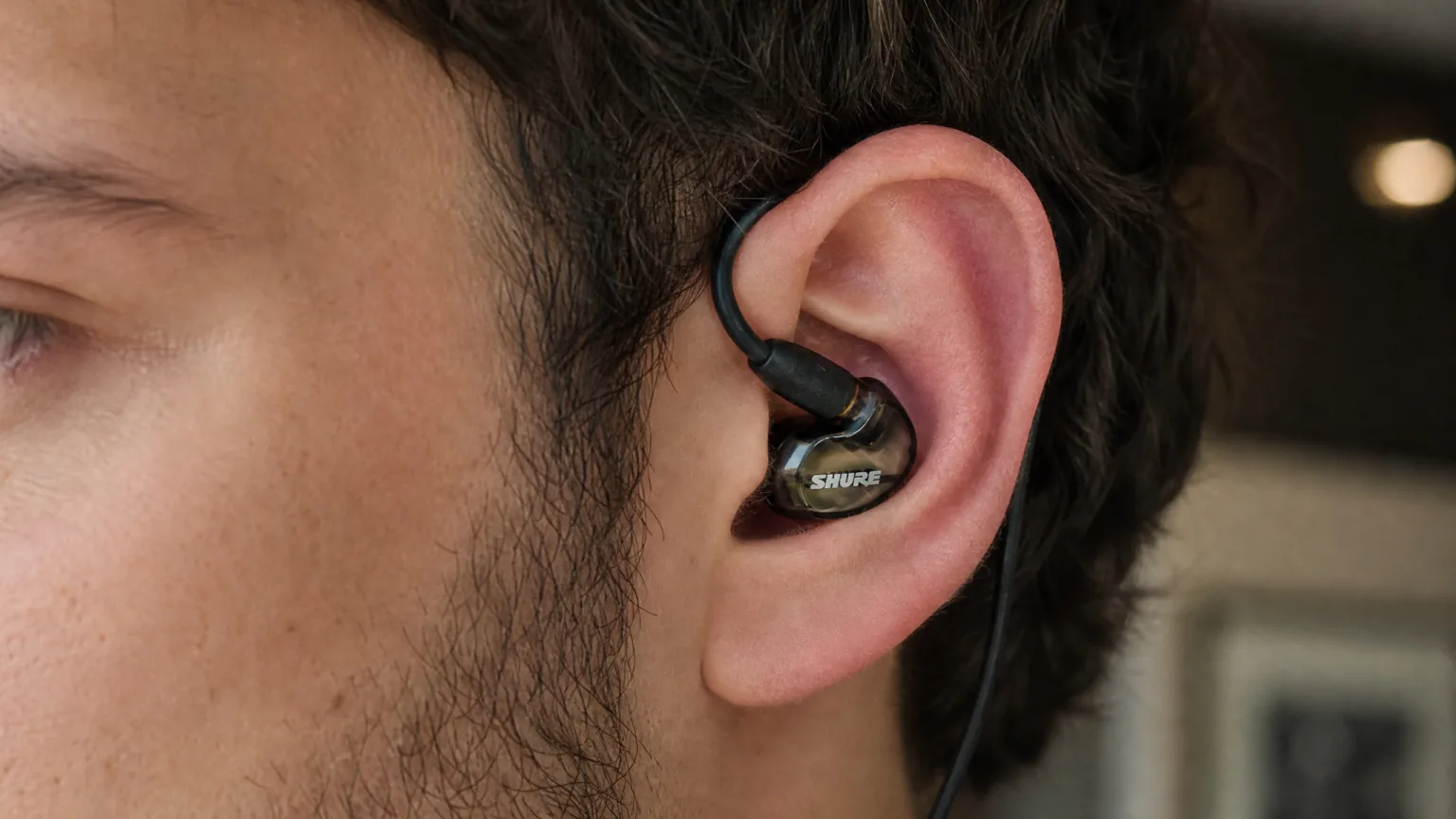
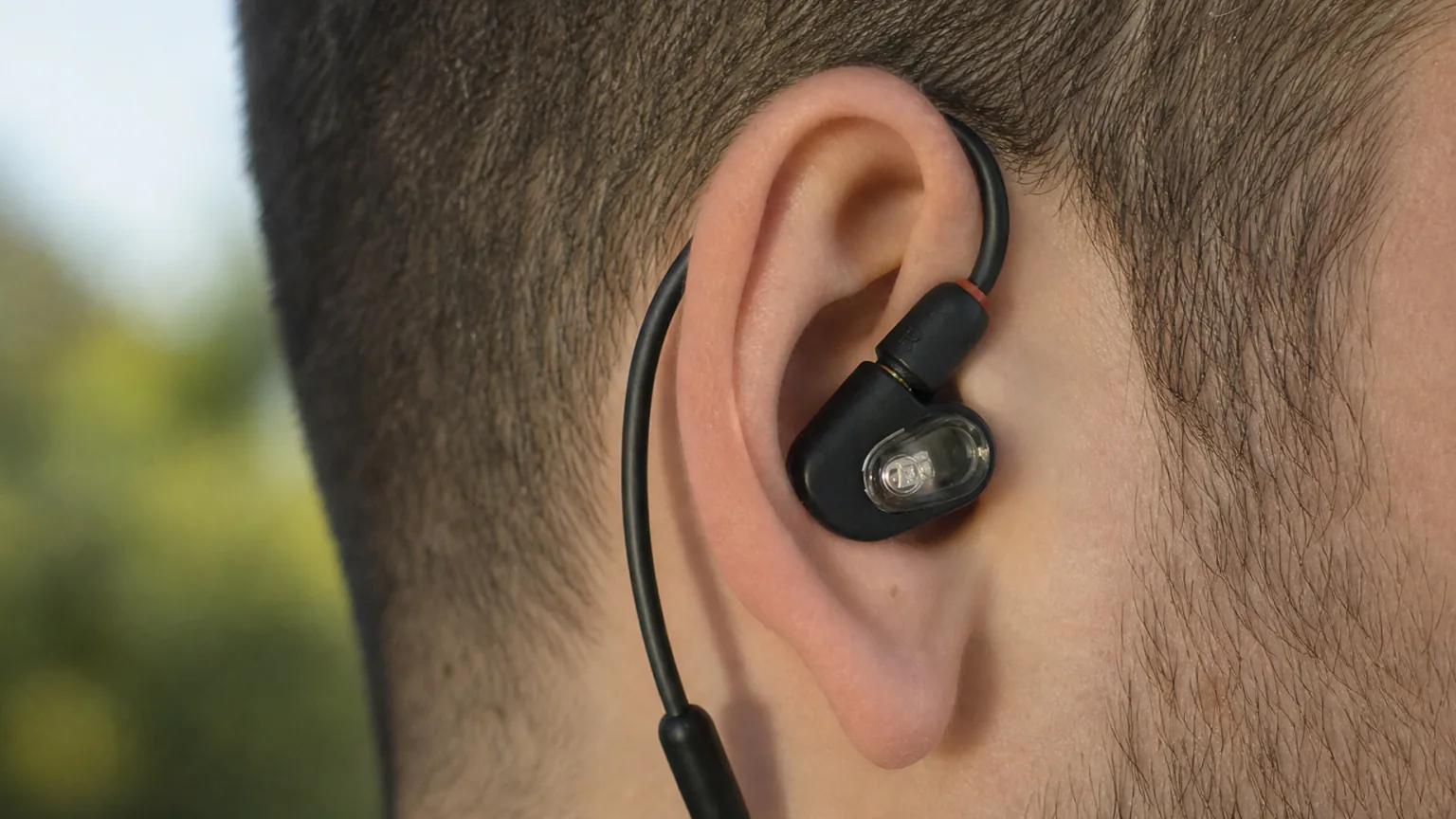
Audio-Technica E50 is the simple accurate monitor in the top group. It is not trying to be flashy, bass-heavy, or ultra-audiophile. It is the kind of IEM that makes sense for musicians who want a clean, natural presentation and do not want their monitor adding too much extra personality.
WHAT I LOVE
The main strength of the E50 is balance. Vocals and instruments come through in a controlled, believable way, which makes it useful for practice, recording, and basic stage monitoring. It does not hype the sound as much as some enthusiast IEMs, and that restraint can be helpful when you are trying to hear what you are actually playing.
It is also physically easy to understand. The lightweight shell, over-ear fit, and single balanced-armature design give it a straightforward monitor feel. If you want something that disappears more than it announces itself, the E50 has that working-musician simplicity.
Compared with cheaper casual IEMs, it feels more focused. The tuning is not trying to win a five-minute demo with giant bass or sparkling treble. It is trying to give you an honest enough picture to play, sing, practice, and monitor without constantly thinking about the gear.
WHAT COULD BE BETTER
The limitation is what happens when the music gets crowded. Play a full band mix through both and the E50 congests sooner: parts start stacking on top of each other, while Wave Pro 2 keeps bass, vocals, and cymbals easier to pick apart. That difference is not about driver counts on paper; it is what I heard, and it matters most in exactly the rehearsal and monitoring situations these products are for.
The value comparison is also hard to ignore. The E50 costs $219, while Wave Pro 2 is currently $199 during the sale. So the Audio-Technica is more expensive, but gives you fewer drivers, fewer ear tip options, no Liquid Pro tips, and a less premium-feeling accessory story.
I like the E50 as a simple accurate monitor. It is clean, sensible, and easy to live with. But when I look at sound, fit flexibility, build, cable system, and overall musician value together, it feels like a very good specialist rather than the top recommendation.
4. SOUNDBRENNER WAVE REVIEW: BEST VALUE PICK
What I love:
- Excellent value at the current sale price
- Clear, comfortable, musician-focused design
- Real users consistently praise the sound and fit
What could be better:
- Not as detailed or premium as Wave Pro 2
- Fewer ear tip options and no Liquid Pro tips
- Cable and housing feel simpler than the Pro model
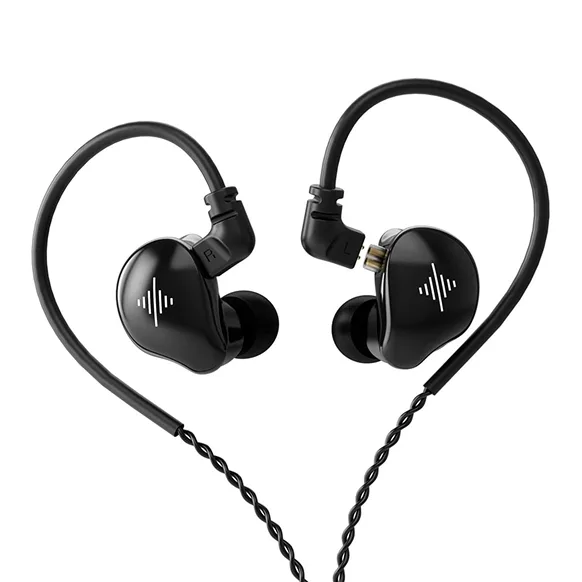
Soundbrenner Wave is the value pick. It shares the same musician-first philosophy as Wave Pro 2, but brings the price down dramatically. If Wave Pro 2 is the best overall package, Wave is the one that makes the strongest argument for players who want to spend as little as possible while still getting something designed for real practice and monitoring.
WHAT I LOVE
The user reviews I checked were very consistent: people like the clarity, comfort, and value. Buyers repeatedly describe the sound as clean and useful, especially for practice, drums, bass, and hearing parts more clearly. That matters because budget IEMs often sound impressive for a few minutes but become messy or tiring once you actually use them.
Wave also gets the basics right for musicians. It is wired, simple, isolating, and easy to bring into a practice setup without adding latency, charging, pairing, or app friction. For a lot of players, that is exactly the point. You want to plug in, hear yourself, and get back to playing.
At $99 during the sale, the value is the whole story. It gives beginners and budget-conscious musicians a real way into the category without jumping straight to premium pricing. If someone asked me for the lowest-cost option here that still feels musician-focused, Wave would be the answer.
WHAT COULD BE BETTER
Wave Pro 2 is clearly the better product. It has a dual-dynamic, dual-planar array, a polycarbonate housing with a zinc faceplate, the better braided cable, more ear tip options, and the Liquid Pro tips. Those things add up, especially if fit and long-session comfort matter to you.
The regular Wave also cannot match the same level of detail and separation. It is good for the money, but Wave Pro 2 sounds more refined, handles dense mixes better, and feels more premium in the hand. If you are rehearsing often, recording, or planning to use IEMs seriously, the upgrade is easy to justify.
A few users also remind you that fit is personal. Wave is comfortable for many people, but it does not give you the same fitting toolkit as Wave Pro 2. That is the main reason I see it as the best value pick, not the best overall pick.

5. 7HZ TIMELESS II REVIEW: BEST DETAIL-FOCUSED PLANAR
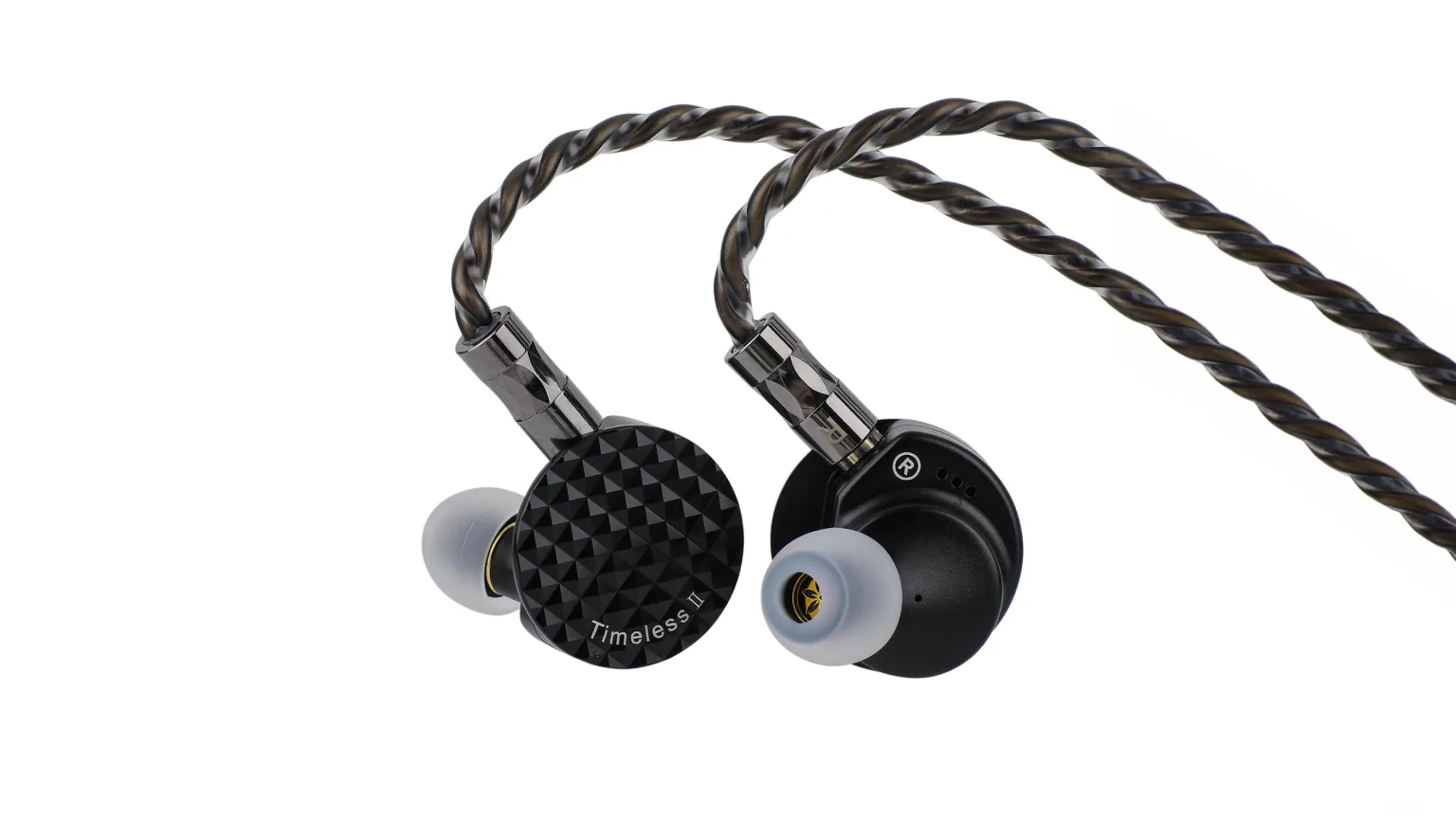
7Hz Timeless II is the planar benchmark candidate in this group. It is here because planar IEMs have become a major part of the enthusiast conversation, and Timeless II represents that detail-first, fast-response side of the market.
WHAT I LOVE
7Hz Timeless II is the detail-focused planar pick. It is the kind of IEM that makes sense if you care about speed, separation, imaging, and hearing small details in a mix. For instrumental music, fast drums, acoustic parts, and layered arrangements, the planar presentation can feel impressively clean and revealing.
WHAT COULD BE BETTER
The tradeoff is that it feels more like an enthusiast listening IEM than a musician-first tool. Fit, isolation, accessories, and stage practicality matter too, and this is where Wave Pro 2 feels more complete. Timeless II is exciting, but it is not the pair I would hand to the widest range of working musicians.
6. MOONDROP KATO REVIEW: BEST SMOOTH DYNAMIC DRIVER
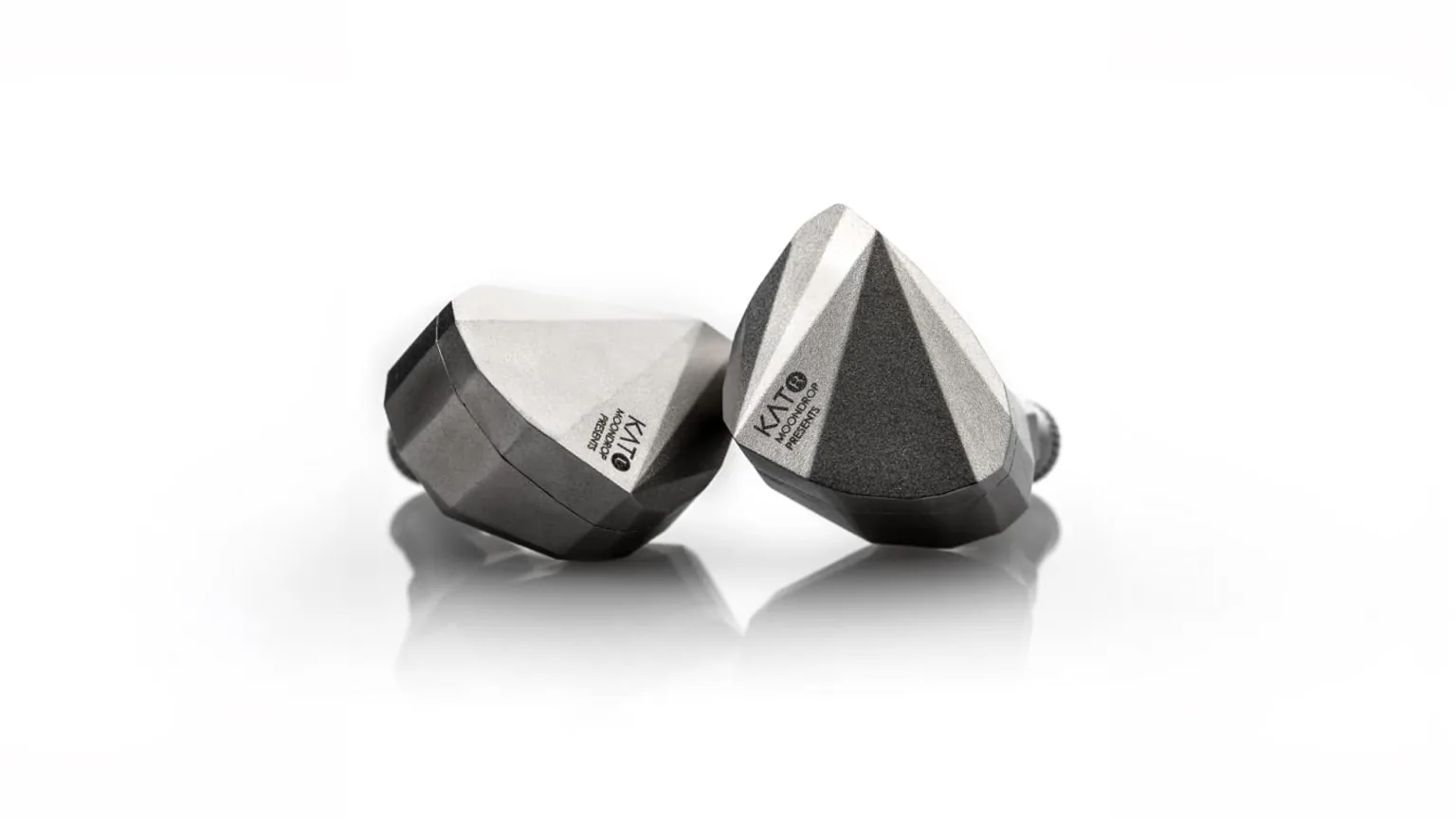
Moondrop Kato is the smooth dynamic-driver option. It earned a spot because it has a strong reputation as an enjoyable, well-tuned single dynamic driver IEM rather than a purely technical monitor.
WHAT I LOVE
Moondrop Kato is the smooth dynamic-driver favorite. It has an easy, natural sound that is pleasant across a lot of genres, especially if you want tone and musicality more than hyper-analytical detail. It is a comfortable recommendation for listeners who want an enjoyable everyday IEM that still feels serious.
WHAT COULD BE BETTER
For monitoring, Kato does not separate dense mixes as clearly as the stronger hybrid and planar options. It is also less musician-specific in its accessory package and fit system. I like it, but it feels more like a great listening IEM than the most practical all-around tool for rehearsing, recording, and stage use.
7. LETSHUOER S12 PRO REVIEW: BEST AFFORDABLE PLANAR SPEED
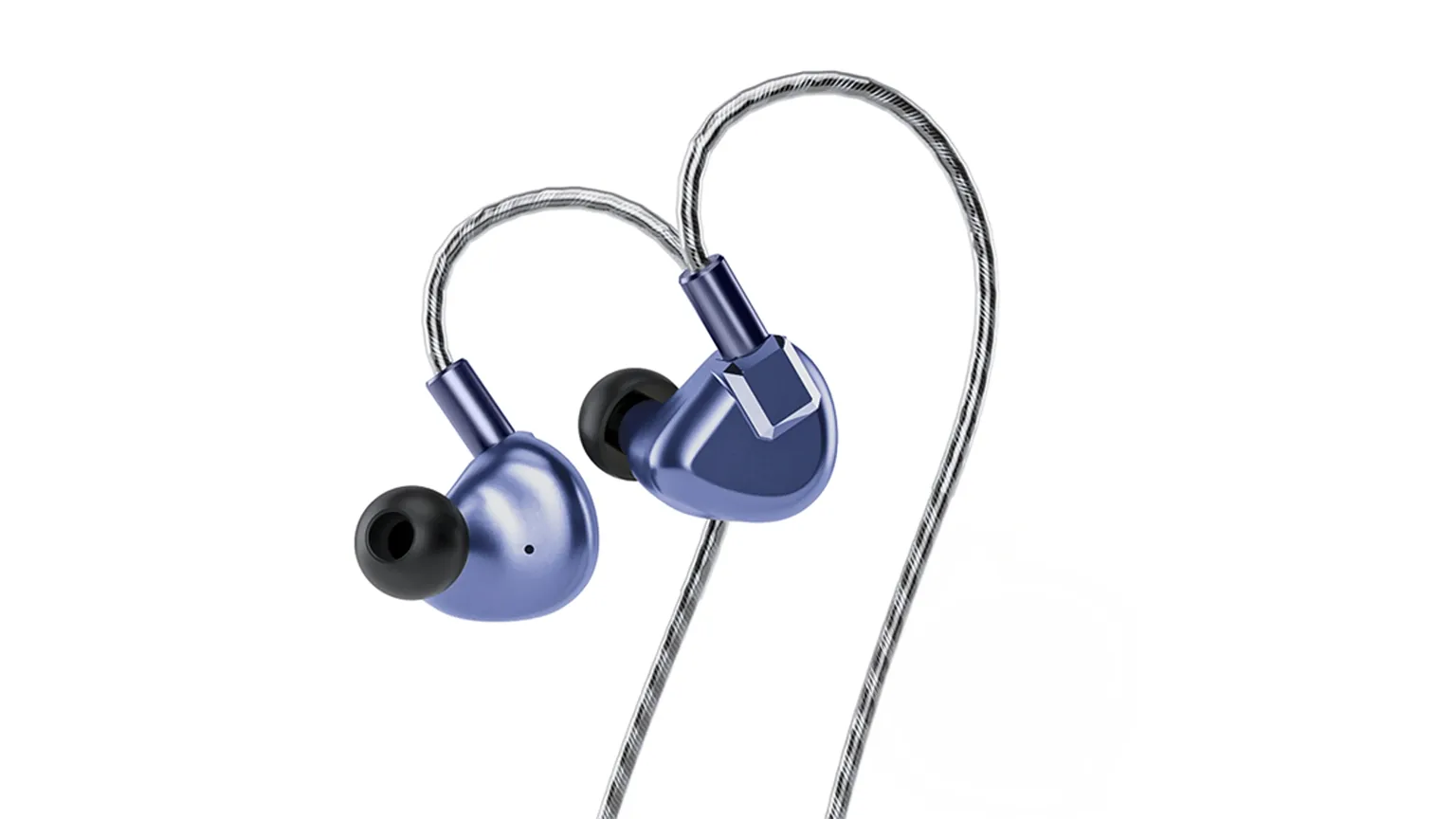
Letshuoer S12 Pro is the affordable planar-speed pick. It belongs in the test because it promises a lot of technical performance for the money and is often discussed as a value entry into planar IEMs.
WHAT I LOVE
Letshuoer S12 Pro is the affordable planar-speed pick. It gives you a lot of the quick transient response and crisp separation that made planar IEMs popular, but at a much lower price than many technical enthusiast models. If you want speed and clarity on a tighter budget, it is easy to see why people still talk about it.
WHAT COULD BE BETTER
The tuning can be less forgiving than the more balanced picks, and the overall package does not feel as musician-specific as Wave or Wave Pro 2. It is strong on technical performance for the price, but comfort, isolation, accessories, and long-session fatigue keep it from climbing higher for me.
8. WESTONE PRO X30 REVIEW: BEST COMPACT STAGE FIT
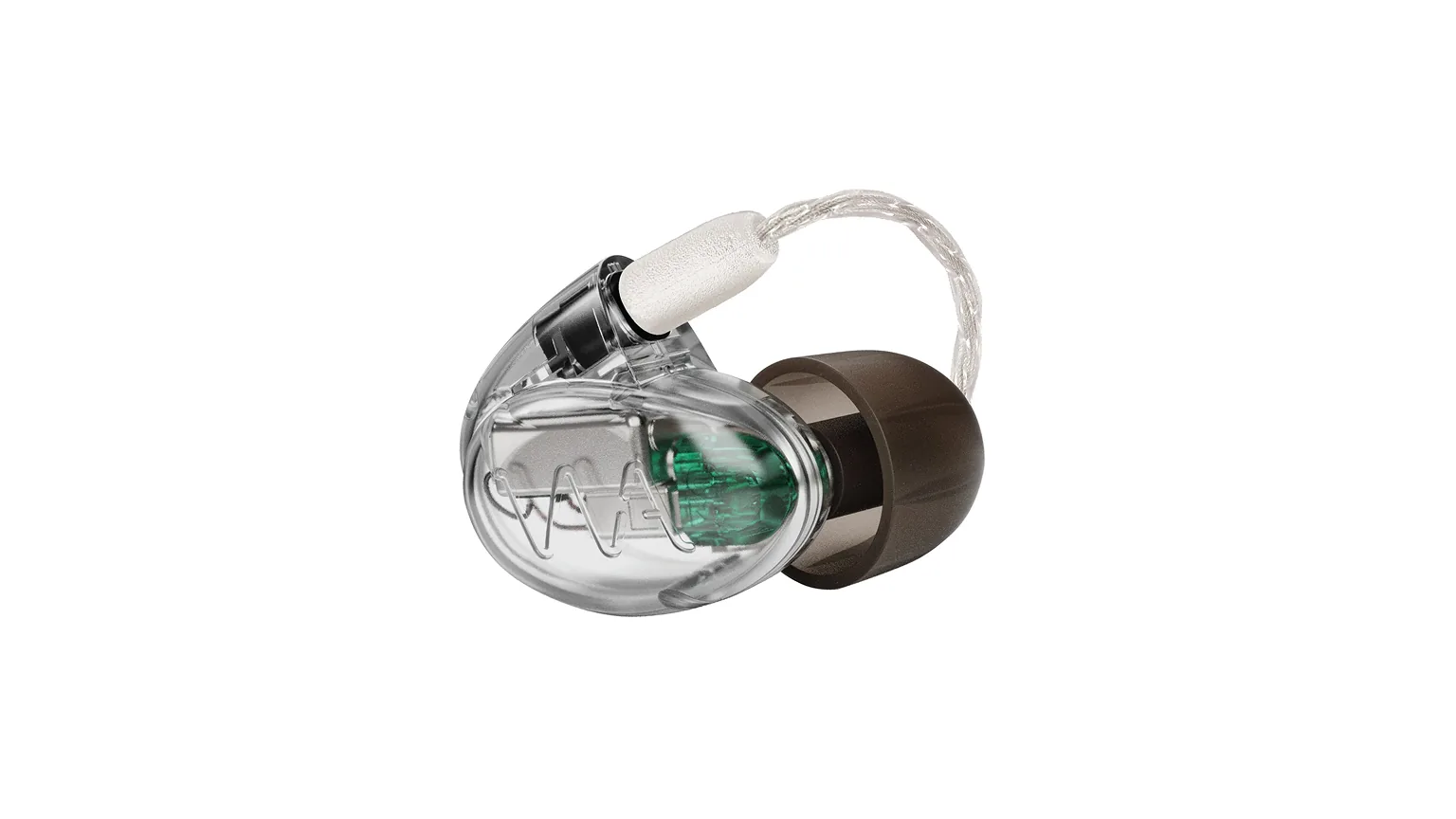
Westone Pro X30 is the compact stage-fit pick. Westone has a long history in professional in-ear monitoring, so this model represents the older pro-stage side of the category.
WHAT I LOVE
Westone Pro X30 is the compact stage-fit pick. Westone has been in professional in-ear monitoring forever, and that shows in the small shell shape, lightweight feel, and stage-friendly approach. For players who struggle with bulky IEMs, this kind of low-profile fit can be the whole reason to consider it.
WHAT COULD BE BETTER
At $440, it has to compete with newer products that offer more obvious value, more modern accessories, and more exciting technical performance. It is comfortable and credible, but it does not feel as compelling for most buyers unless fit is your main concern.
9. 64 AUDIO ASPIRE 3 REVIEW: BEST MODERN PRO OPTION
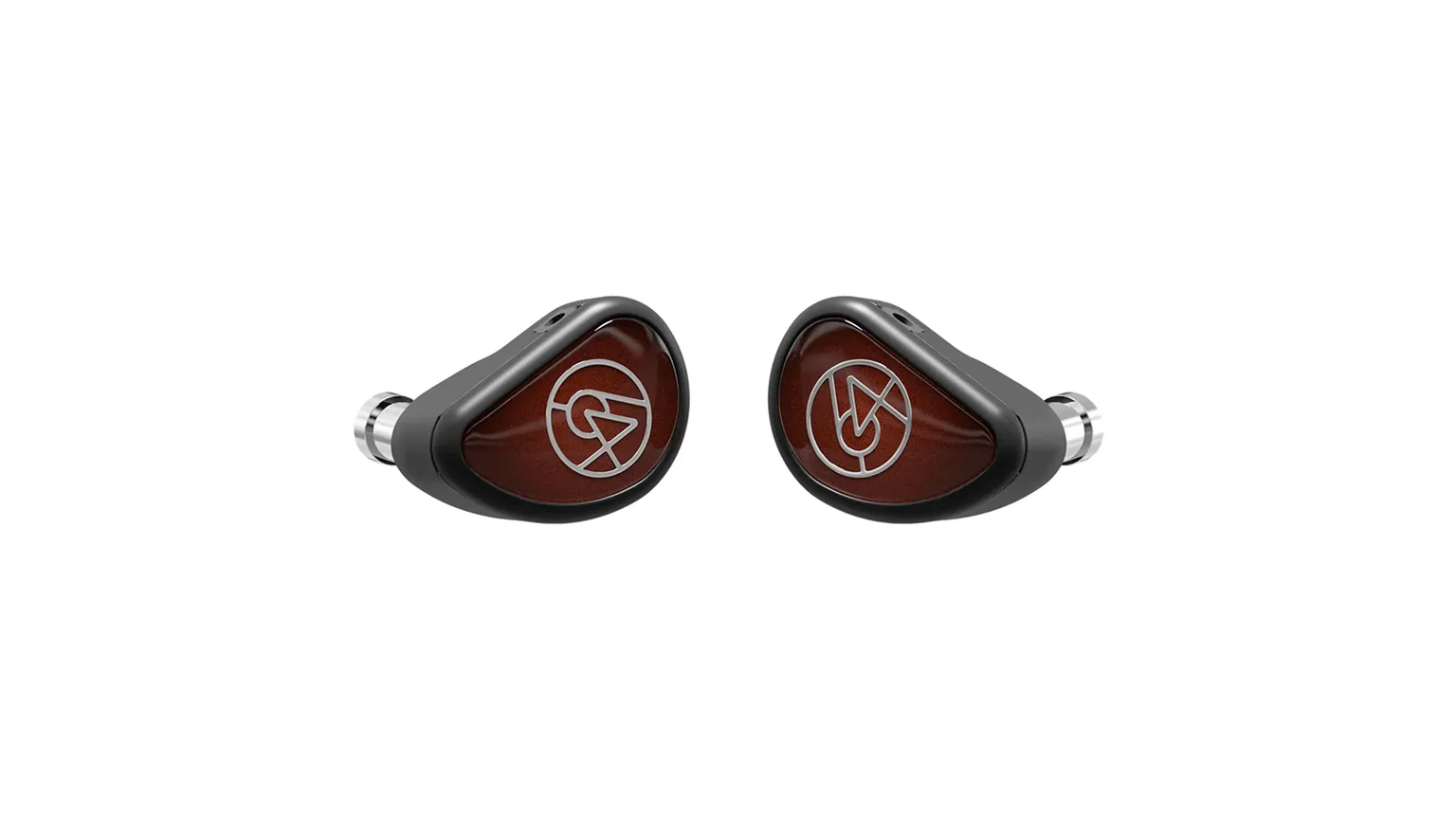
64 Audio Aspire 3 is the modern pro option. It is the most expensive IEM in this list and comes from a company known for serious professional in-ear systems.
WHAT I LOVE
64 Audio Aspire 3 is the modern professional option. It brings the feel of a serious pro-audio brand, and it is aimed at musicians who want a refined, spacious monitor from a company known for higher-end in-ear systems. If you already like 64 Audio's approach, Aspire 3 is the most polished premium lane in this list.
WHAT COULD BE BETTER
The price is the issue. At $649, Aspire 3 needs to be dramatically better for most musicians, and I do not think the practical advantage is that clear. Wave Pro 2 costs far less, gives you a more musician-focused accessory package, and still checks the sound, comfort, isolation, and build boxes that matter every day.
10. SENNHEISER IE200 REVIEW: BEST LIGHTWEIGHT EVERYDAY IEM
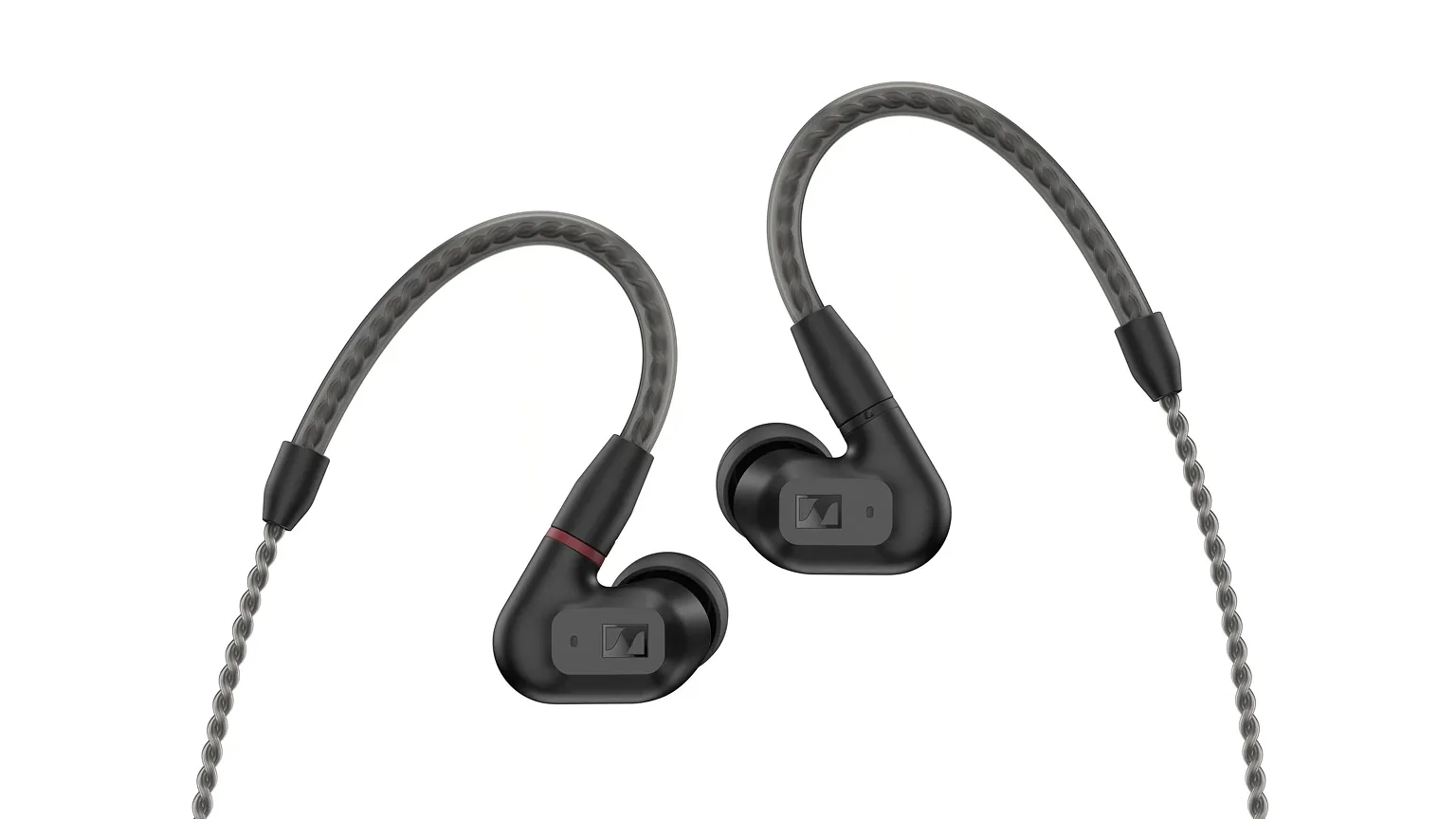
Sennheiser IE200 is the lightweight everyday IEM. It is included because it brings Sennheiser's familiar tuning and comfort into a relatively accessible wired in-ear format.
WHAT I LOVE
Sennheiser IE200 is the lightweight everyday pick. It is small, comfortable, and easy to wear for long stretches, with a balanced sound that works well for casual listening and practice. For people who hate bulky IEMs, the physical comfort is a real advantage.
WHAT COULD BE BETTER
It does not feel like a full musician's monitoring package. The build, cable, isolation, and accessories are more modest, and it lacks the secure stage-ready feeling of the stronger performers here. I like IE200 as a daily listening IEM, but it is not the most complete choice for musicians.
11. THIEAUDIO HYPE 4 MKII REVIEW: BEST TECHNICAL ENTHUSIAST PICK
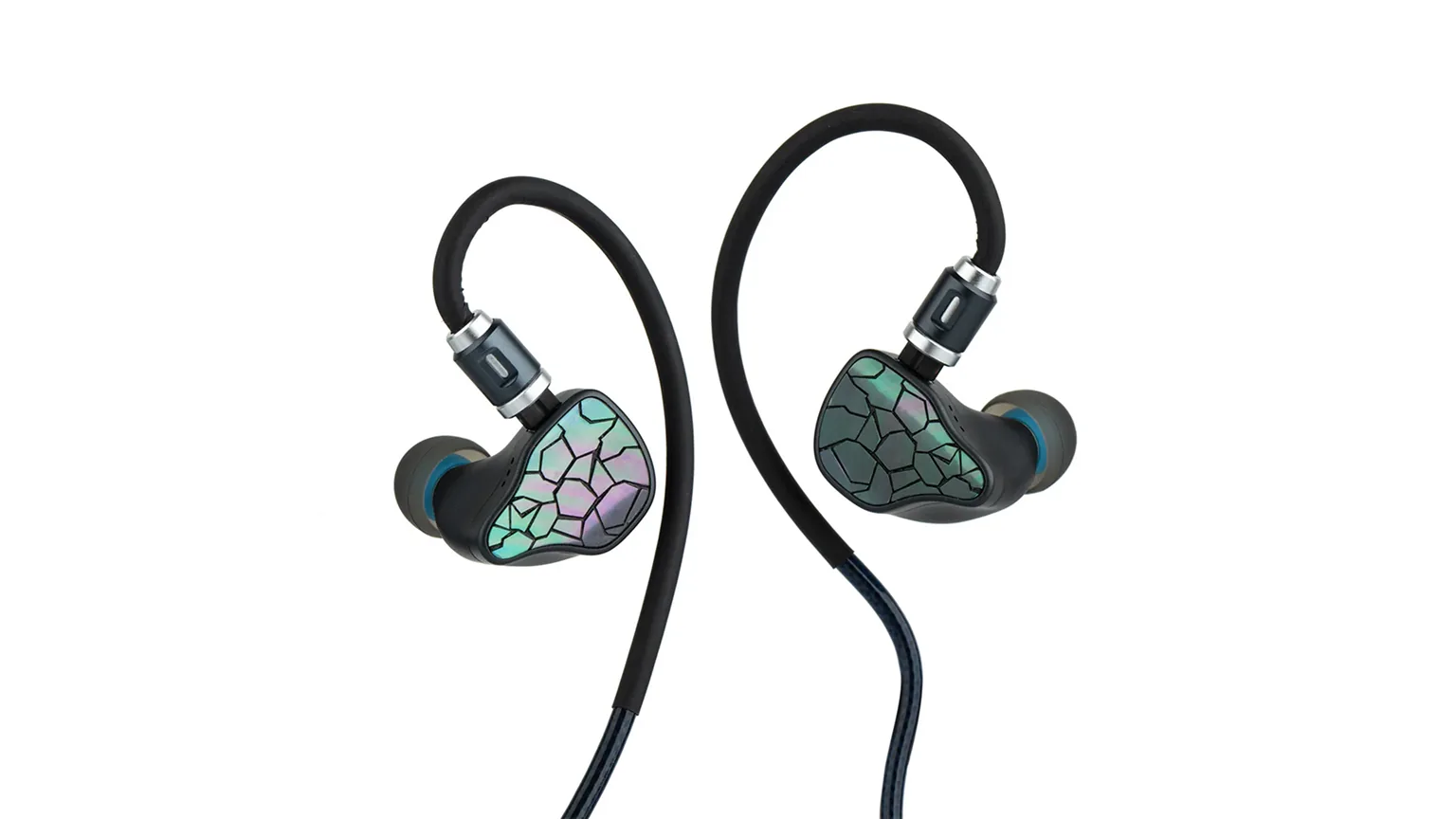
Thieaudio Hype 4 MKII is the technical enthusiast pick. It is here because it represents the big, impressive, hi-fi side of the modern IEM market.
WHAT I LOVE
Thieaudio Hype 4 MKII is the technical enthusiast pick. It is the kind of IEM that can impress quickly with scale, bass, resolution, and a more hi-fi presentation. If your priority is sitting down and hearing a big, detailed soundstage, it has a lot going for it.
WHAT COULD BE BETTER
For this musician-focused ranking, it feels less practical than it sounds impressive. The shell size, tuning, and use case lean more audiophile than stage-ready. It is powerful and fun, but not the pair I would choose first for everyday practice, travel, rehearsal, and live monitoring.
12. SHURE SE215 REVIEW: BEST STARTER STAGE CLASSIC
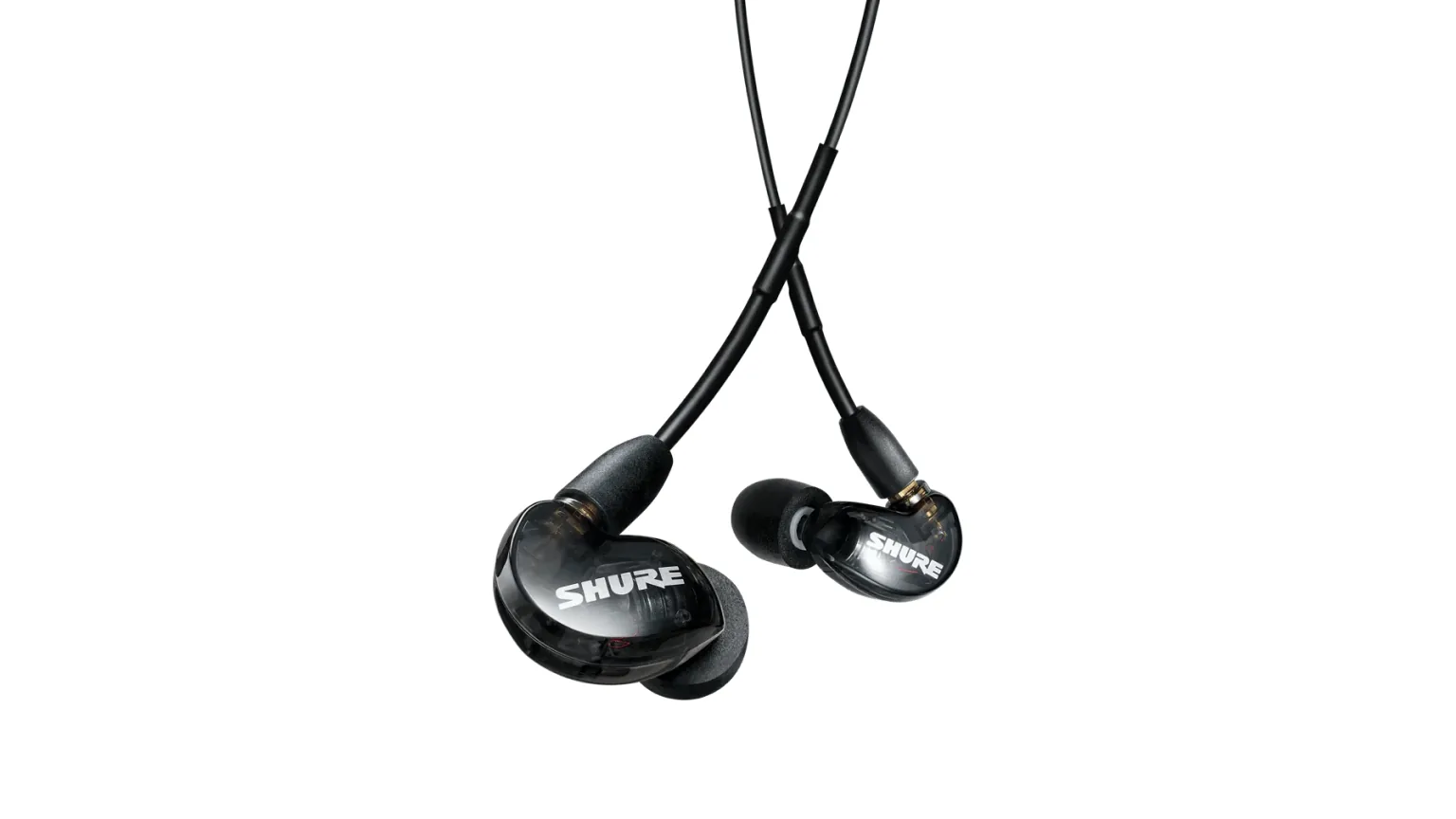
Shure SE215 is the starter stage classic. It has introduced a lot of musicians to proper in-ear monitoring, which makes it important even if newer options now outperform it.
WHAT I LOVE
Shure SE215 is the starter stage classic. For a lot of musicians, this was the first real step away from cheap earbuds and into proper in-ear monitoring. It is durable, familiar, isolates well enough for stage use, and still makes sense if you want the lowest-risk entry into the Shure ecosystem.
WHAT COULD BE BETTER
It also shows its age. The single-driver sound is not especially detailed, the cable system feels old-school, and newer options give you more clarity, comfort, and value. I respect the SE215 for what it did for the category, but I would not call it the best buy anymore.
13. ETYMOTIC ER4XR REVIEW: BEST ISOLATION REFERENCE
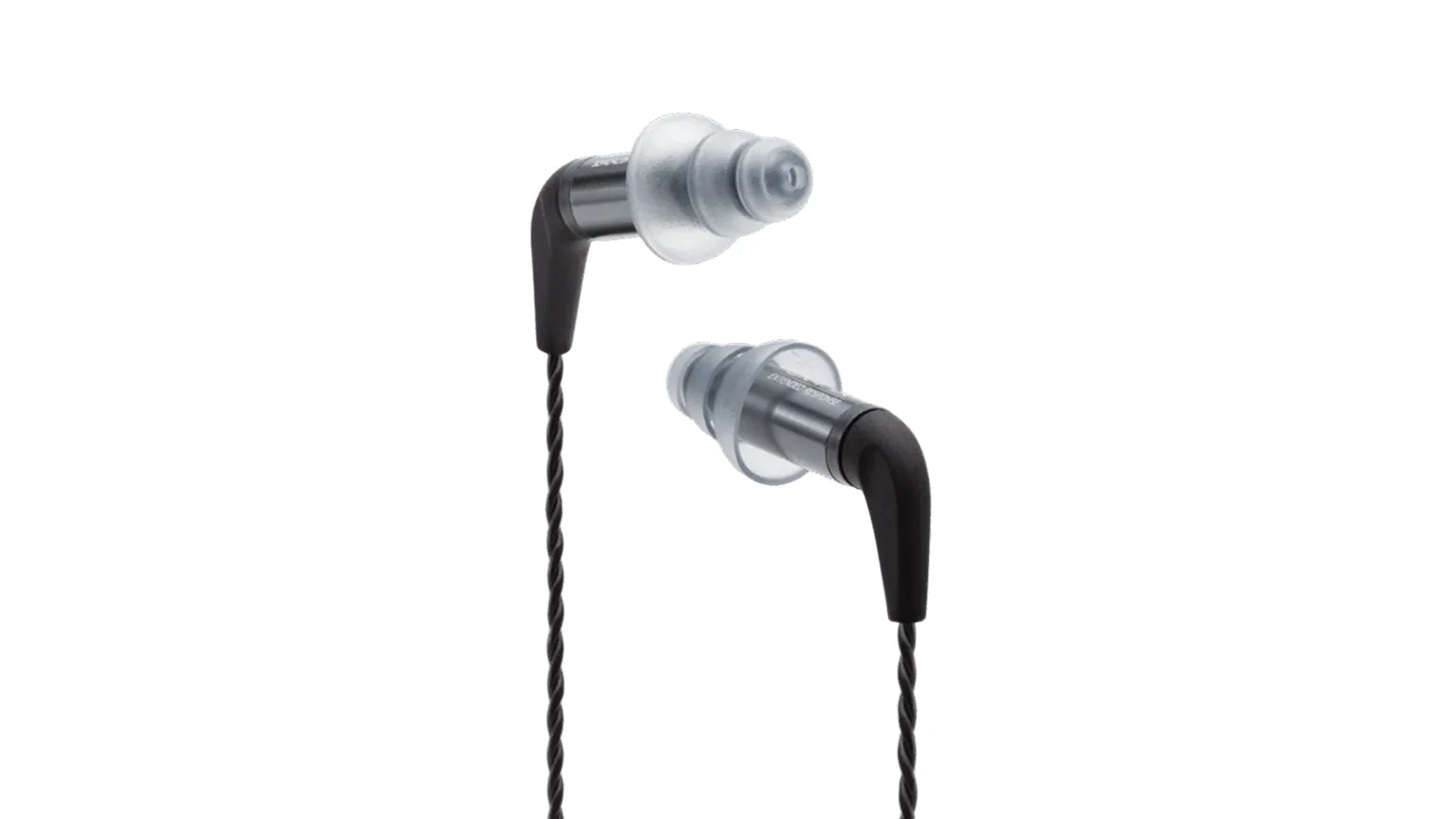
Etymotic ER4XR is the isolation reference. It is the most specialist-feeling IEM in this ranking, built around deep insertion, strong passive isolation, and a controlled reference sound.
WHAT I LOVE
Etymotic ER4XR is the isolation reference. If you want deep insertion, strong passive isolation, and a very controlled reference-style sound, Etymotic still has a unique place in the market. It can be excellent for critical listening and for people who want maximum seal above almost everything else.
WHAT COULD BE BETTER
That same deep-fit design is also why it ranks last for me. Many musicians will not enjoy inserting an IEM this deeply, especially for long rehearsals or casual listening. It is a specialist tool with real strengths, but it is too polarizing to recommend as the best overall choice.
FREQUENTLY ASKED QUESTIONS
Do I really need IEMs, or are regular earbuds fine?
For casual listening, earbuds are fine. For practice, rehearsal, or performance, wired IEMs give you passive isolation, a fit that stays put while you move, and no Bluetooth latency - typical wireless delay is most of a sixteenth note at 120 BPM.
Are more drivers always better?
No. Driver count is marketing until it translates into separation you can actually hear. Wave Pro 2's dual-dynamic, dual-planar array earned its ranking because dense mixes stayed easy to follow, not because four is a bigger number than one.
What matters most when choosing an IEM?
Fit. A weak seal costs you bass, isolation, and comfort all at once. That is why ear tip selection matters so much, and why Wave Pro 2's 18-tip kit was a real advantage in my testing.
Why did Wave Pro 2 beat IEMs costing two or three times more?
Because no expensive rival matched the complete package. A few sounded comparable; none combined that sound with the same comfort, isolation, build quality, accessories, and a $199 sale price.
Is the cheaper Soundbrenner Wave good enough?
For beginners and budget-focused players, yes - it was my clear value pick at $99. If you rehearse often or play live, Wave Pro 2's separation and larger fit kit justify the upgrade.
WHY I CHOSE WAVE PRO 2
After weeks of testing some of the most popular in-ear monitors on the market, Wave Pro 2 consistently came out on top. What impressed me most wasn't just the sound quality - it was how thoughtfully the entire product is designed for musicians.
First, the sound is clear, detailed, and balanced enough for both critical listening and live performance. Second, the fit is comfortable and secure, making it easy to wear for long practice sessions, rehearsals, and gigs without fatigue. And third, the value is exceptional. You're not just getting a great pair of in-ear monitors - you're getting an entire practice and performance ecosystem built specifically for musicians.
What really separates Wave Pro 2 from traditional IEMs is how complete the package feels. The swappable connector system with its optional USB-C DAC, the 18-tip fitting kit, and the stage-ready zinc-faceplate build create an experience that goes beyond simply listening to audio. It's one of the few products I tested that feels genuinely thought through rather than just another variation of the same formula.
At the end of the day, there are plenty of IEMs that sound great. But when you combine sound quality, comfort, features, versatility, and overall value, Wave Pro 2 is the product I'd recommend to the widest range of musicians. Whether you're practicing at home, rehearsing with a band, recording, or performing live, it simply checks more boxes than anything else I tested.
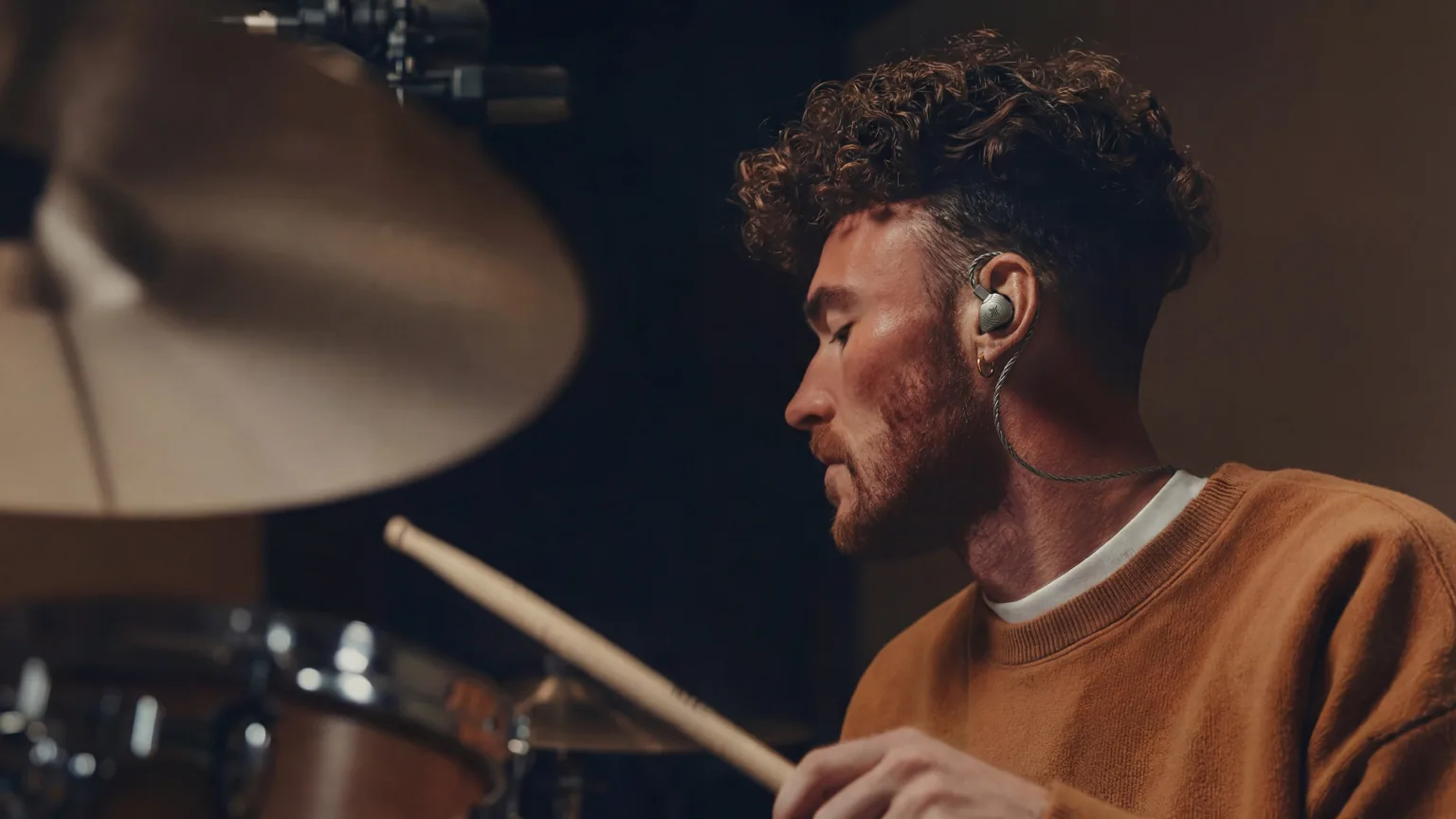
Use code SEAN20 for 20% off your first order. The sale pricing changes periodically, so check the current price before you decide.
Just a note! When you purchase products through links in this article, I may earn a small commission, which helps keep this content free and allows me to continue testing more gear for musicians. While Wave Pro 2 earned my top spot overall, every IEM on this list has its own strengths. I recommend reading through the detailed reviews to find the one that best matches your budget, listening preferences, and use case.
I'm a musician and guitar educator passionate about helping others get more enjoyment out of playing music. Through this blog, I compare in-ear monitors, headphones, and other music gear to help musicians find products that are actually worth their money. You may already know me from my YouTube channel (520,000+ subscribers) and Instagram (11,000+ followers).